
I’ve walked into commercial spaces after hours, when the noise drops and the floor tells the real story. Scuffed lanes. Shiny paths where traffic repeats. Corner lifting, where carts pivot every day. High-traffic areas don’t hide mistakes. They expose them.
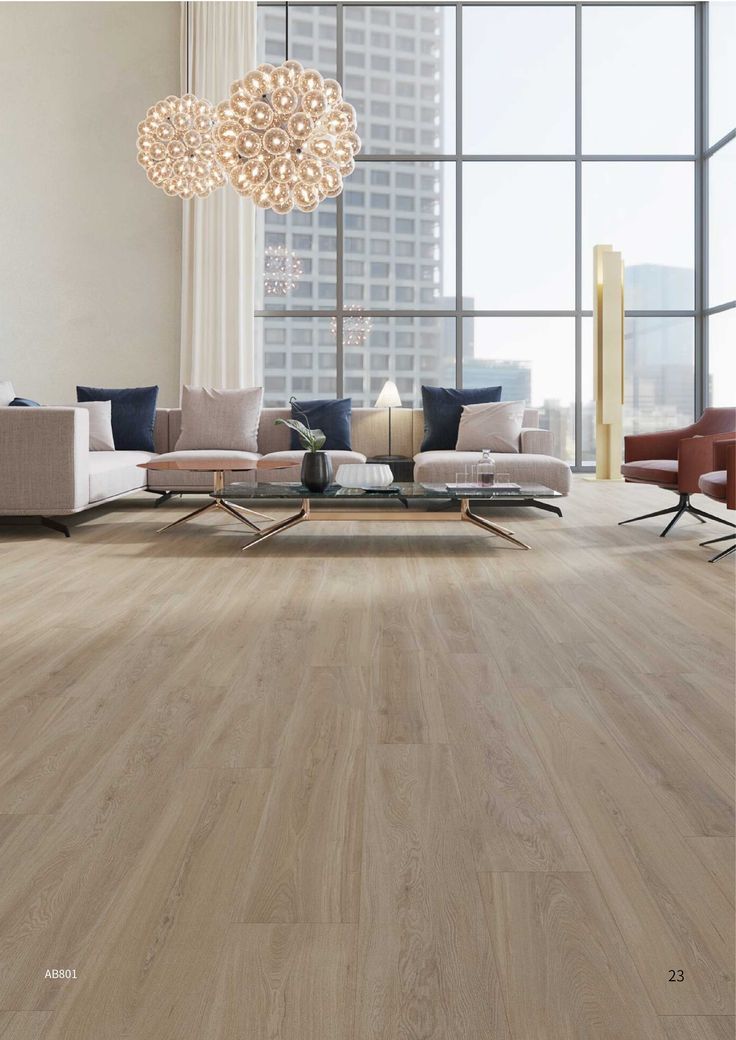
LVP and SPC flooring both show up in these environments for a reason. They install fast. They look finished. They promise durability without turning spaces into industrial zones. But they don’t behave the same under pressure. Treat them as interchangeable, and problems follow.
High Traffic Isn’t About Volume. It’s About Pattern.
People count footsteps. That’s not the real issue.
Traffic concentrates. Entrances. Elevators. Coffee stations. Checkout lines. The same routes are abused all day. That’s where flooring systems either hold or give up.
I’ve seen LVP survive years in open offices because movement stayed predictable. I’ve also seen it fail fast in retail aisles where carts turned sharply at the same spot. Same product. Different pattern.
SPC handles repetition better because it moves less. Rigid core. Higher density. Less flex under load. That matters when traffic never lets up.
LVP in High-Traffic Commercial Areas: Works Until It Doesn’t
LVP brings comfort and acoustic control. That’s why it’s chosen for offices, hotels, and public-facing spaces where noise matters.
But high traffic tests locking systems. Directional stress loosens joints. Rolling loads accelerate wear. I’ve been on projects where everything looked fine until cleaning crews started running heavy equipment every night.
Then the planks shifted.
LVP holds up in high-traffic areas when:
-
Traffic stays mostly foot-based
-
Rolling loads remain light
-
Movement patterns don’t pivot sharply
Once those conditions change, LVP shows limits. Quietly at first.
SPC in High-Traffic Areas: Stability Comes at a Cost
SPC earns trust in commercial environments because it resists movement. Temperature swings, static loads, repeated paths—it stays put.
I’ve watched SPC perform in lobbies and corridors where LVP failed before. The rigid core distributes load better. Less joint stress. Less creep.
But SPC transfers impact instead of absorbing it. Subfloor prep becomes non-negotiable. Miss flatness, and every imperfection prints through. Crews notice. So do tenants.
SPC doesn’t forgive shortcuts. It exposes them.
The Cleaning Factor Everyone Forgets
Cleaning routines matter more than spec sheets.
High-traffic commercial floors get scrubbed. Nightly. Aggressively. I’ve seen the same flooring last year in one building and failed in another because the cleaning equipment doubled in weight.
LVP reacts first. Locking systems loosen. Edges wear. SPC handles machines better, but punishes uneven pressure.
If cleaning crews weren’t part of the flooring discussion, risk stays high.
A Pattern I’ve Seen Too Often
Here’s the recurring issue. Flooring gets approved early. Cleaning protocols get defined later. Traffic patterns shift after opening.
Then someone asks why the floor isn’t holding.
I’ve been on jobs where one conversation up front would’ve changed the material choice. Or at least adjusted expectations. Instead, the floor becomes a maintenance problem everyone inherits.
Responsibility doesn’t sit with the product. It sits with the decision process.
Where Responsive Industries Adds Real Value
At Responsive Industries, flooring discussions don’t happen in isolation. They tie back to how spaces operate under pressure. How people move. How equipment moves. How cleaning happens when no one’s watching.
I’ve seen projects avoid rework because someone asked uncomfortable questions early. That’s not sales. That’s accountability.
High-traffic spaces punish assumptions. The right material choice reduces exposure. The wrong one compounds it.
Choosing Between LVP and SPC for High Traffic
There’s no universal answer.
Choose LVP when comfort, acoustics, and appearance matter more than rigidity. Offices. Hospitality. Public interiors with controlled use.
Choose SPC when stability, load resistance, and temperature tolerance matter more. Corridors. Retail. Transitional zones with constant flow.
Both support high-traffic environments when used honestly. Neither survives being misused.
FAQs
1. Is LVP suitable for high-traffic commercial areas?
Yes, when traffic stays pedestrian and rolling loads remain minimal.
2. Why does SPC perform better under repeated traffic?
The rigid core limits movement and joint stress.
3. Can cleaning equipment damage LVP or SPC floors?
Yes. Weight, turning radius, and frequency all matter.
4. What causes joint failure in high-traffic flooring?
Directional stress, restricted expansion, and uneven subfloors.
5. Is SPC louder or harder underfoot than LVP?
Yes. SPC transfers impact more directly.
6. Which flooring lasts longer in commercial spaces?
The one matched correctly to traffic patterns.