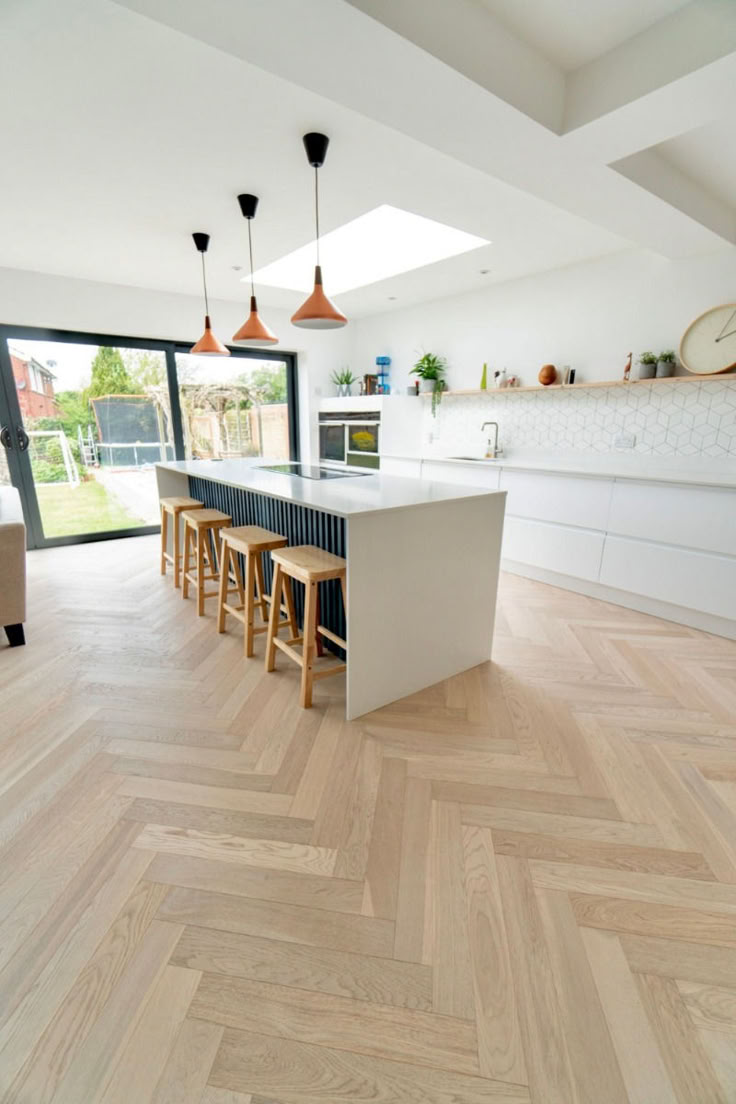

Flooring is key to how a space looks, feels, and holds up over time. With modern stuff like LVP flooring, owners can get a cool and strong look without spending too much. Responsive Industries is a top name for good flooring, and many folks wonder if self-install is wise or if pros do it better. Let’s check both ways so you can pick what’s best for your place.
Know LVP Flooring
Luxury Vinyl Plank aims to look like real wood while being waterproof, tough, and cheap. It’s built in layers, making it last longer than old materials, and is liked for rental spots, family houses, and work areas. The big thing is not if LVP is a good pick—it’s how you put it in.
DIY Install: Good and Bad
The big draw of lvp flooring is its easy click-lock design. Many Responsive Industries floors snap together, making a top layer with no need for glue or nails. This lets folks with simple tools and some time put in their own floors.
Good at DIY:
- Saves money, no need to pay pros.
- You can do it when you want.
- Feels great to finish it.
Bad at DIY:
- Mistakes may lead to bumpy spots or gaps.
- Getting the base floor right needs know-how and care.
- Big or tricky rooms can be too hard without help.
If you’re sure in your skills and the room is small, doing it yourself can work. Yet, for big areas, many find paying pros is worth it.
Pros Doing It: Good and Bad
Having pros do it means your floor looks cool and stays good for long. They are trained to ready base floors, manage sharp edges, and finish fast.
Pros of doing it:
- Sure to be neat and sharp.
- Done quicker than DIY.
- It holds up longer, as right has lower risks of warping or gaps.
Bad of pros doing it:
- Costs more at first.
- Less room to fit your own time.
Responsive Industries often tells you to have pros do it in big or busy spots where messing up can cost a lot later.
Think LVT Tile and Other Picks
While LVP is a top pick, many also look at lvt tile. Luxury Vinyl Tile gives the fancy look of stone, ceramic, or mosaic with vinyl’s feel and warmth. Picking planks or tiles, putting them in right place matters a lot for how they do.
For LVT floors, putting them just right is key to making sure patterns fit smoothly. While DIY might still work, pros often do better with tile shapes, especially if you want a top-end look.
Vinyl Flooring’s Role in Modern Houses
Today’s vinyl floors are not just about being cheap—they’re about cool looks and good use. Responsive Industries has styles for all tastes, from old wood to clean stone. Picking planks or tiles, the right way to put them in makes your floors last longer, look sharper, and need less upkeep.
For landlords, folks with rental places, or families with kids and pets, getting a good install often makes the most sense to guard your floor spending.
Conclusion
Putting in floors is more than just laying planks or tiles—it’s about making sure they work well for long time. DIY can save cash for small jobs, but pros offer lasting strength, sharp work, and peace of mind. Responsive Industries gives many options, from LVP floors to LVT tile and other top vinyl floors. With the right installation, lvt floors do more than just lift the style of your space, but also promise real worth long into the future.