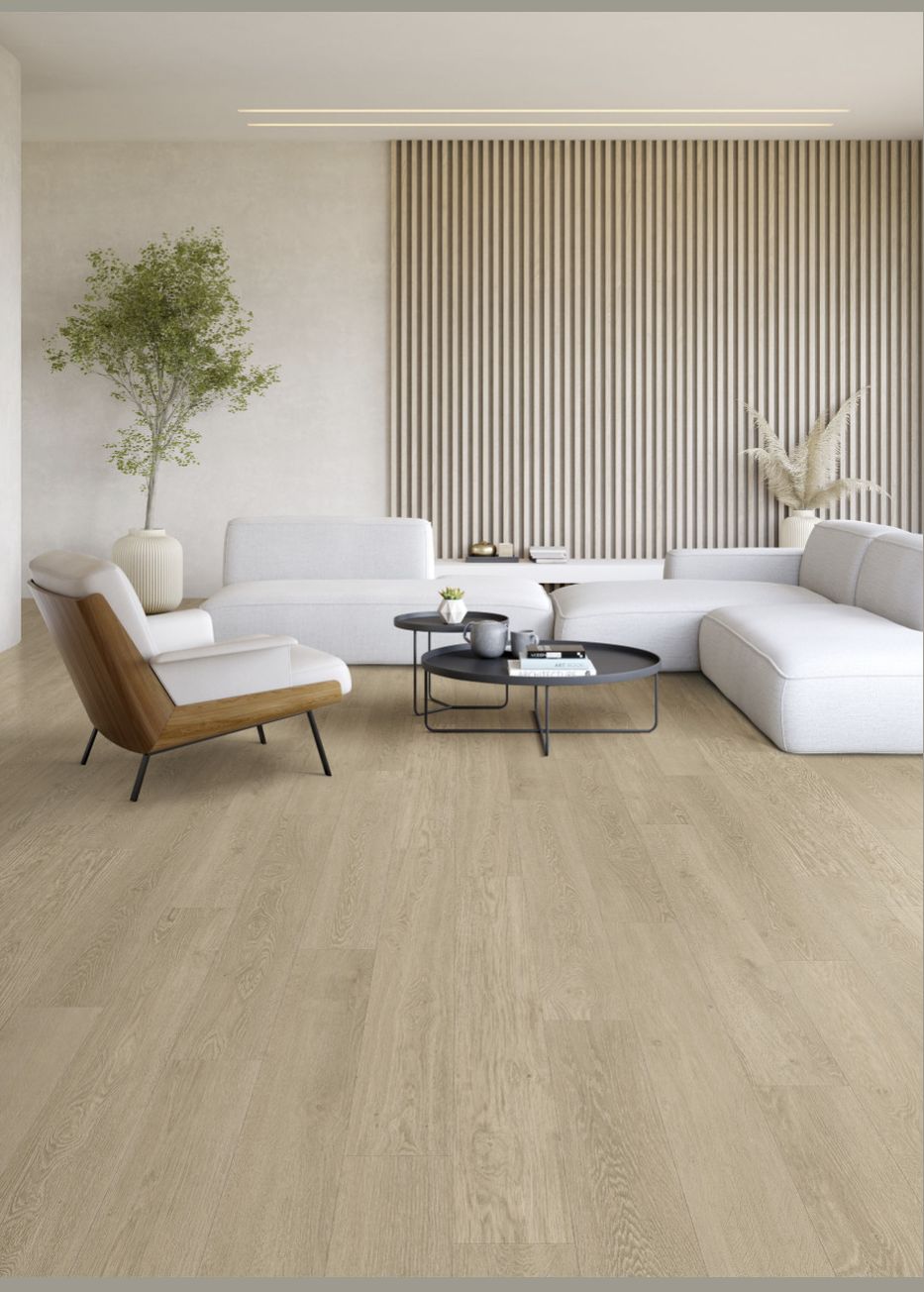

Flooring in public spaces like retail stores, schools, and hospitals constantly endures wear and tear. Hundreds or thousands of people can walk over to this area daily, making durability and practicality top priorities. Being highly ranked among the available flooring options, vinyl covers resiliency, hygiene, beauty, and economy. Here’s how to choose the vinyl flooring apt for rough-use environments.
Why Vinyl Flooring Works Well in Public Spaces
Vinyl, in this context, is most interesting because it can resist heavy wear and tear caused by fast-paced activities. Vinyl can resist scratches, dirt, or impact; hence, it is recommended for corridors, entrances, waiting halls, or classrooms. Being easy to maintain, most vinyls only require general cleaning to keep them fresh and new-looking. On the contrary, many types are waterproof, which balances protection from spills, cleaning chemicals, or even an ignorant accidentally exposing the floor to water. Other than serving functionally, the vinyl can be supplied in a wide range of finishes that mimic wood, stone, or marble, thus affording places with beauty and style without having to compromise on durability.
Things to Consider for Choosing Vinyl Flooring
Some parameters are used whenever the flooring has to be recommended for heavy-duty traffic:
Wear layer and durability: The thicker the wear layer, the better the floor resists scratches and foot traffic. A thicker wear layer means a longer life span in schools and hospitals where rolling equipment and furniture add added stress.
Core stability: With rigid cores, as in SPC, less deformation occurs from severe use. In areas where trolleys, wheelchairs, or continuous footfall exist, stability is assured in that the flooring will not bend over time.
Moisture resistance: In settings such as hospitals, laboratories, and cafeterias, where cleaning is regular and spillage is frequent, seamless and water-resistant flooring is a must-have.
Slip resistance and safety: Public areas must ensure safe surfaces, particularly at entrances or wet areas. A textured finish and anti-slip rating form an additional layer of protection.
Acoustic comfort: It includes noise reduction in schools, offices, and healthcare. Floorings designed with sound-absorbing layers can reduce footstep noise, hence creating a calmer atmosphere.
Ease of cleaning: Healthcare and education require low-porosity, hygienic surface materials that resist regular disinfecting agents.
Design flexibility: While retail spaces might go for dramatic finishes, hospitals might just stay with calming neutrals. Vinyl flooring allows them all-the-way.
Types of Vinyl Flooring for High Traffic Spaces
Various forms of vinyl flooring serve different needs:
Commercial vinyl sheet flooring: Delivered in rolls, this keeps seams to a minimum and favors hygienic environments such as hospitals and clinics.
Luxury vinyl plank flooring: Imitates nature materials like wood or stone and shall fit into retail shops or reception areas where looks are as much considered as performance.
Rigid Core Vinyl: SPC and WPC combine very strong cores with decorative finishes, thus giving extra durability in an environment that is always subject to rolling loads and heavy traffic.
Why The Choice of a Manufacturer Matters
Not all vinyl flooring is created equally, so it is very important to select a vinyl flooring manufacturer that can be trusted. Reliable suppliers present all available specifications for wear layers, slip ratings, moisture resistance, and warranties so that you get a product that lives up to its promise for years to come. This is evidenced by companies such as Responsive Industries that manufacture waterproof planks with noise-reducing backings and designs tailored to meet the needs of healthcare, educational, and retail sectors. Selecting a reputable supplier means an assured performance and savings in your long-term budget.
Tailored Flooring Solutions According to the Environment
Hospital and Clinic: The flooring should be seamless, waterproof, and chemical-resistant to support all requirements for hygiene and infection control.
Schools and Educational Facilities: Flooring should concentrate on durability, slip resistance, and acoustic performance and be colorful and bright to enthrall the younger crowd.
Shops and Retail Outlets: Balance style with function. Entrance and checkout zones should go for the most durable options, while display areas will be allowed to prioritize appearances.
Conclusion
Public spaces require flooring as much practical as durable. By considering wear resistance, safety, hygiene, and long-term value, decision-makers can source vinyl flooring that fulfills logistical and design needs. Hospitals may have commercial vinyl sheet flooring while retail environments could specify luxury vinyl plank flooring. It is a case of matching the product to the space. When advised properly by established vinyl floor system manufacturers, one can achieve a blend of performance, style, and cost-efficiency that super high-traffic spaces will have a life-time display of for.