
I’ve stood in finished spaces that looked perfect on handover day. Clean lines. Tight joints. Happy stakeholders. Six months later, I was back—because corners lifted, seams crept, and cleaning crews couldn’t keep floors looking right. Same material. Same brand. Different reality.
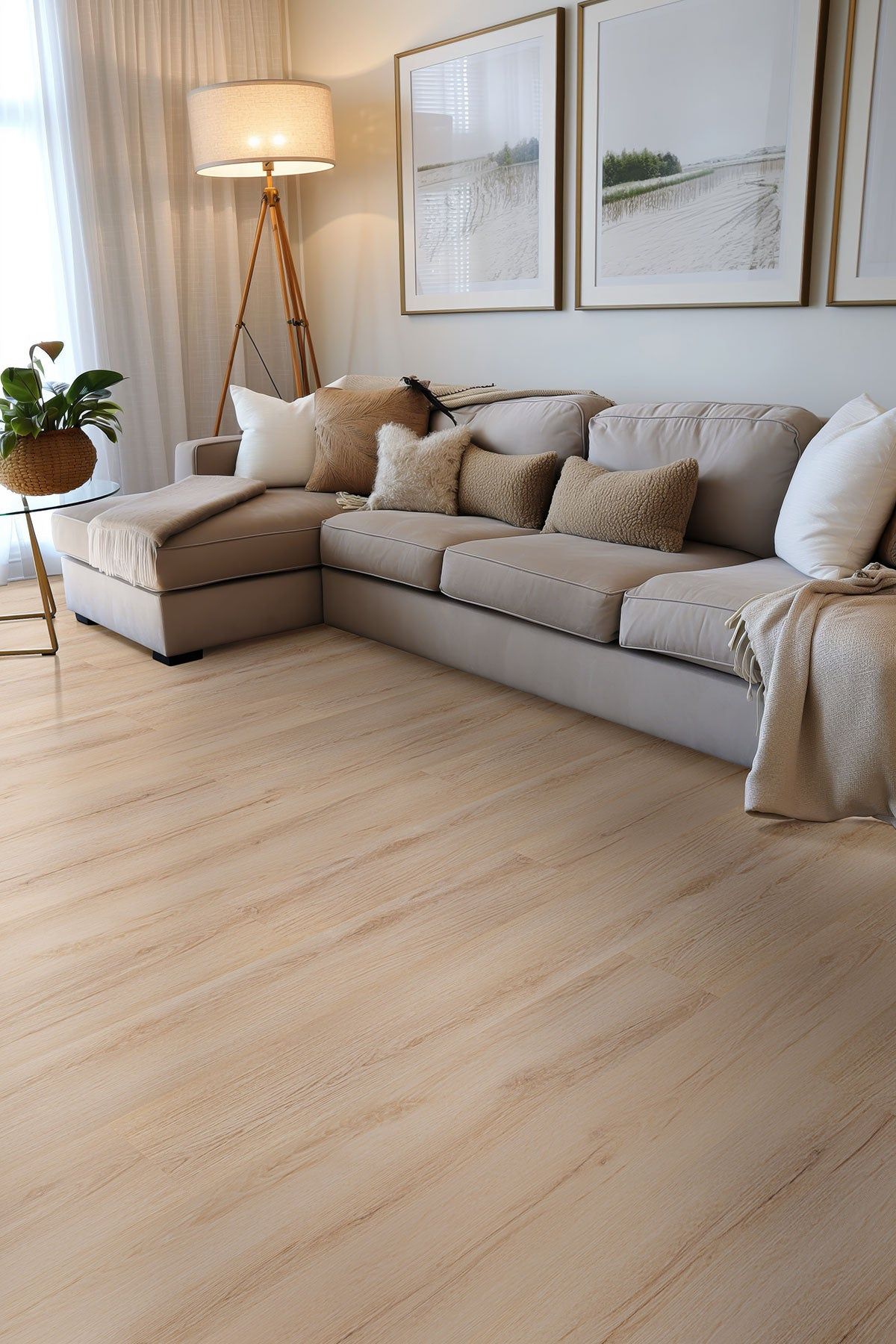
LVP flooring sits right in the middle of residential and commercial use. That’s why it gets specified so often. Homes, offices, retail, hospitality, mixed-use buildings. It promises durability without looking industrial. Comfort without fragility. Speed without compromise.
Those promises hold—when LVP is used where it belongs.
LVP in Residential Spaces: Forgiving Where Life Isn’t
Residential interiors beat on floors in quieter ways. Furniture slides. Kids run. Pets dig in. Spills happen at bad times.
I’ve seen LVP hold up well in homes because it absorbs small mistakes. Minor subfloor movement. Temperature swings from HVAC cycling. Daily wear that never looks dramatic but adds up.
Plank construction spreads the load differently than tile. That matters under couches, beds, and kitchen islands. And when one plank gets damaged, the replacement stays localized. Homeowners care about that more than spec sheets.
Where residential LVP fails is usually avoidable. Poor acclimation. Tight installs with no expansion room. Someone rushing to finish before move-in.
That’s not a material issue. That’s execution.
Commercial Interiors: Traffic Patterns Change the Equation
Commercial interiors stress LVP differently. Foot traffic concentrates. Chairs roll. Cleaning happens daily. Directional movement repeats in the same paths.
I’ve been on office floors where LVP performed cleanly for years. I’ve also seen it shift within months in reception areas where traffic turns hard and often. Same product. Different load behavior.
LVP works in commercial spaces when:
-
Traffic stays pedestrian
-
Rolling loads remain light
-
Moisture exposure stays controlled
Once carts, pallet jacks, or frequent pivots enter the picture, locking systems take the hit. That’s when planks start telling on poor planning.
Use LVP for offices, conference rooms, retail floors, and hotel corridors. Avoid it where movement turns aggressive.
Comfort Underfoot Isn’t a Small Detail
This part gets underestimated.
LVP feels warmer and quieter than harder surface options. In residential spaces, that affects livability. In commercial interiors, it affects fatigue, acoustics, and perception.
I’ve walked through facilities where staff avoided certain areas because the floor felt harsh. That changes behavior. Over time, it changes how space gets used.
LVP softens that without introducing carpet-level maintenance issues. That balance matters more than most people admit.
The Recurring Mistake I Keep Seeing
Here’s the pattern. LVP gets approved because it “worked somewhere else.” No one maps actual use. No one tracks cleaning methods. No one considers future reconfiguration.
Then the floor gets blamed.
I’ve been on jobs where LVP failed because it was treated like sheet vinyl. No expansion. No movement allowance. Tight to walls. Tight to columns. Tight everywhere.
Planks move. They need space. Ignore that, and problems show up slowly. Then all at once.
Responsibility belongs to whoever skipped the conversation.
Where Responsive Industries Fits the Decision
Flooring decisions don’t live in isolation. They tie into build sequencing, access planning, maintenance cycles, and long-term reliability.
At Responsive Industries, LVP discussions usually connect back to how spaces operate day to day. Not how they photograph. I’ve seen projects avoid rework simply because someone asked, “How will this space get used a year from now?”
That question saves money. It saves downtime. It saves uncomfortable meetings later.
Sometimes the right call is LVP. Sometimes it isn’t. Knowing the difference is the job.
When LVP Is the Right Choice
LVP shines when expectations stay realistic.
Residential interiors where comfort and durability matter.
Commercial spaces with controlled traffic and consistent use.
Projects where modular repair matters more than seamless surfaces.
It doesn’t belong everywhere. And that’s fine.
Floors don’t fail because they’re bad products.
They fail because they’re asked to be something they’re not.
And that lesson keeps repeating.
FAQs
1. Is LVP suitable for both homes and offices?
Yes, when traffic stays pedestrian and moisture exposure remains limited.
2. How does LVP handle daily wear?
Well, if expansion gaps and subfloor prep are handled correctly.
3. Can damaged LVP planks be replaced easily?
Yes. Individual planks can be removed and replaced without full tear-out.
4. Why do LVP floors shift over time?
Restricted movement, poor acclimation, or repeated directional stress.
5. Is LVP comfortable for long periods of standing?
More forgiving than hard surfaces, less demanding than concrete or tile.
6. What’s the biggest risk when specifying LVP?
Assuming all vinyl behaves the same.